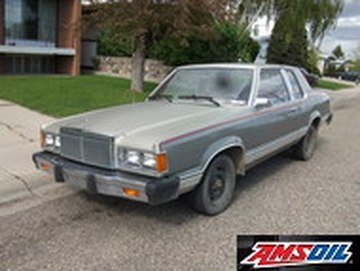
Lubrication Maintenance for the 1981 Mercury COUGAR 4.2L
Maintaining the engine lubrication system in a vehicle like the 1981 Mercury COUGAR with its 4.2L engine requires consistent attention to fluid condition and component integrity. As vehicles age, the methods used to monitor and preserve engine health become increasingly important for ensuring continued operation and preventing unnecessary mechanical issues.
Monitoring Fluid Condition and Potential Leaks
One of the most effective ways to monitor the health of the 4.2L engine is through regular visual inspections of the lubrication system. Owners should look for any signs of fluid seepage or active leaks around the engine block and associated sealing surfaces. While some level of minor seepage can occur as gaskets and seals age, an increase in the volume of fluid appearing on the underside of the vehicle or around the engine warrants closer investigation.
When performing these inspections, it is helpful to check for:
- Evidence of wetness or residue around various gaskets and seals.
- Puddles or drips found on the ground beneath the vehicle after it has been parked.
- Changes in the color or consistency of the oil when checked via the dipstick.
If you notice a significant change in how much oil the engine seems to use between service intervals, this can be an indicator that the lubrication system requires attention. It is important to remember that various factors can influence fluid levels, so any sudden changes should be investigated promptly.
Managing Maintenance Records and Service History
For long-term ownership of a 1981 Mercury COUGAR, establishing a clear maintenance baseline is highly beneficial. If the previous service history of the vehicle is unknown, documenting every oil change, filter replacement, and inspection from this point forward allows you to track the vehicle's specific needs over time.
A well-maintained logbook helps in several ways:
- Identifying Trends: You can see if fluid consumption or leakage is increasing over months or years.
- Prioritizing Repairs: Having a record of what has been addressed allows you to focus on aging components that have not been serviced recently.
- Informed Decision Making: Knowing exactly when the last service occurred prevents the risk of overlooking necessary maintenance tasks.
When reviewing records, look for evidence of consistent care. If there are gaps in the history, use current inspections to determine the actual condition of the engine and its components rather than making assumptions based on the vehicle's age alone.
Observing Potential Warning Signs
While many lubrication issues can be caught during routine visual checks, some symptoms may manifest while the vehicle is in operation. Recognizing these signs early can assist in preventing more significant mechanical complications.
An unusual mechanical noise coming from the engine area can sometimes be associated with changes in lubrication levels or oil quality. Similarly, if you notice any unexpected odors or smoke during operation, these should not be ignored. While a burning odor might indicate oil contacting a hot surface elsewhere in the engine bay, it is always a signal that something requires inspection.
If an oil-related warning indicator appears on the dashboard, this is a critical signal that requires immediate investigation. Such indicators are designed to alert the operator to conditions that could affect the engine's ability to operate safely and effectively. Always treat these warnings as high-priority items for diagnostic review.
Age-Related Inspection Priorities
As a vehicle from 1981 continues to be driven, certain components may require more frequent monitoring due to the natural aging of materials. Rather than replacing parts based solely on the calendar, it is more effective to prioritize maintenance based on the actual condition of the components.
Inspectors should pay attention to any visible deterioration in rubber-based components, such as hoses or belts, if they are accessible. Look for signs of cracking, glazing, or fraying. Additionally, check electrical connections and wiring for any signs of brittleness or corrosion that could affect the vehicle's systems. Ensuring that the air filtration system is clean and free of debris is also a fundamental part of maintaining engine efficiency as the vehicle ages.
By focusing on condition-based maintenance, you can distinguish between parts that are still performing their function effectively and those that are nearing the end of their service life. This approach helps in managing maintenance costs while ensuring the 4.2L engine remains well-protected.
Effective Lubrication Strategies
The primary role of engine oil is to reduce friction between moving parts, manage heat within the engine, and help control the buildup of deposits. Over time, even high-quality lubricants can undergo changes due to thermal stress and exposure to combustion byproducts. This makes regular service essential for maintaining the protective qualities of the lubricant.
Some high-mileage oil formulations contain additives intended for use in aging engines. These formulations may include seal-conditioning additives designed to help maintain the integrity of various gaskets and seals. While these can be a useful tool for managing older engines, they are not a substitute for addressing active leaks or mechanical failures.
Maintaining clean lubrication is also vital for preventing the formation of sludge and other deposits that can accumulate if oil is not changed according to a proper schedule. Keeping the internal environment of the engine clean through regular service helps ensure that all components continue to operate with minimal resistance.
Buying Engine Oil for your 1981 Mercury COUGAR 4.2L
When it comes time to replenish your lubrication, the most important step is to match the product to the specific requirements of your engine. To ensure you are using the correct lubricant, always refer to the vehicle-specific oil viscosity and application information already displayed on this webpage.
Before making a purchase, follow these practical steps:
- Verify the Label: Always check the product packaging to confirm it meets the necessary specifications for your engine.
- Consider Formulations: Depending on your engine's current condition and mileage, you may choose between conventional, synthetic blend, or full synthetic oils. If the engine shows signs of high mileage, you might consider formulations specifically designed with seal conditioners.
- Check Certification: Ensure the oil carries the appropriate API certification to guarantee it meets modern quality standards for lubrication and deposit control.
By strictly adhering to the application-specific information provided on this page, you can select an engine oil that is appropriate for your 1981 Mercury COUGAR 4.2L, supporting its continued operation and helping to manage the needs of an aging engine.